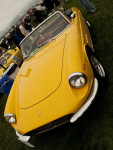
We first encountered this Ferrari in true Clunkbucket fashion. The owner, Scott Isquick of Pepper Pike, Ohio, was having a little trouble getting it started outside the post-show banquet at the 2008 Greenwich Concours. Finally, the 4.0 liter V12 caught, interrupting the sharp mechanical shriek of the starter. The ‘67 motored off into the Connecticut darkness, leaving a dark … [Read more...]
Archives for August 2010
Fiat of Calamitous Intent
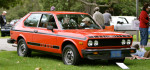
From the I could have been a contender department comes this bone stock all-original survivor 1978 Fiat 128 Sport from the 2010 Concours d'Lemons. The plucky Fiat did not take home a prize of any kind. It stands as the first of a few coming contraptions that for reasons not understood went home sans trophy. Owner Steve has driven the Fiat occasionally and on the weekends since … [Read more...]
Land of Rust Toyota FJ60
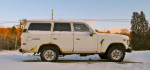
From the California mythology department of our broken dreams division comes this Toyota FJ-60 Land Cruiser in Vermont. This rusted through example of one tough 4X4 truck serves as a reminder of what to look for before purchasing that old rust bucket restoration project. While the rust is somewhat obvious here, peeling up a carpet or two and looking for hidden rust is a good … [Read more...]
Dodge on the Rampage in South City
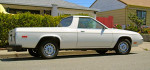
Though is may seem like these shots are circa 1984, this super-clean Dodge Rampage was spied recently by photojournalist Dave Wallace on a trip to legendary Gotelli's Speed Shop in South San Francisco, California. The Rampage and its 1983-only Plymouth Scamp rebrandmate were built on the Chrysler L-body platform, and shared a nose with its Dodge 024-Plymouth TC3 cousins. The … [Read more...]
Pontiac Bubble-Back Aerocoupe
The 1986 Pontiac 2+2 Aerocoupe was more or less the homologated result of Bill Elliot cleaning up the NASCAR competition behind the wheel of a mid-eighties Ford Thunderbird. As stock cars were still somewhat stock at this point in time, the Pontiac Grand Prix was in aero-trouble with its brick like nose and near-vertical rear window against the slippery T-bird. Throw 'Awesome … [Read more...]