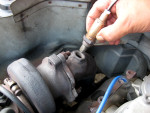
Joining Space Invaders, the personal computer, and perhaps Sputnik in the pantheon of modern technological achievements is the oxygen sensor. Most every modern fuel injected automobile has one or more of these sentinels threaded into its exhaust pipe. Elements inside the oxygen sensor tip measure the amount of oxygen gas in the exhaust, and convert the ratio into a signal that … [Read more...]
Tool of the Week: Engine Code Reader
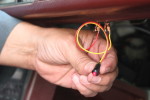
Welcome to the one if by land, two if by sea 50-in-1 electronic playground edition of the Tool of the Week. This time around we're peering into computerized technology. The 1987 Mitsubishi Starion is a fuel injected car, but by no means modern. The transitional period between carburated and electronically injected engines produced some interesting if not cantankerous systems. … [Read more...]
Replace Fuel Pump
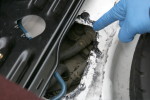
As most all of us have discovered when the tank ran dry, an engine requires fuel to run. As this fuel is flammable and generally explosive, it is kept in a tank away from the combustive action going on inside the engine. This setup presents the problem of how to get the fuel from the tank to the carburetor or fuel injectors that feed the engine fuel. Enter the fuel pump. The … [Read more...]
Jack and Stands
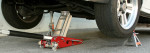
Working on any car sometimes involves getting safely underneath to spin wrenches, or swing hammers. A floor jack and jack stands are the right tools for the job when it comes time to working on an automobile with more than one of its wheels removed. Choosing the right floor jack and jack stand set depends on the weight of your automobile. There's no need to get a 12-ton set if … [Read more...]
Starions-a-Plenty

While not quite the usual sub 500-dollar car, the Starion will be an omnipresent and endlessly ongoing project here at Clunkbucket. Purchased back in 2004 as a replacement for an Evo8 that was garnering way too much attention from the authorities, the Mitsubishi Starion (aka Chrysler Conquest) has been a source of both enjoyment and frustration over the last few years. Keeping … [Read more...]